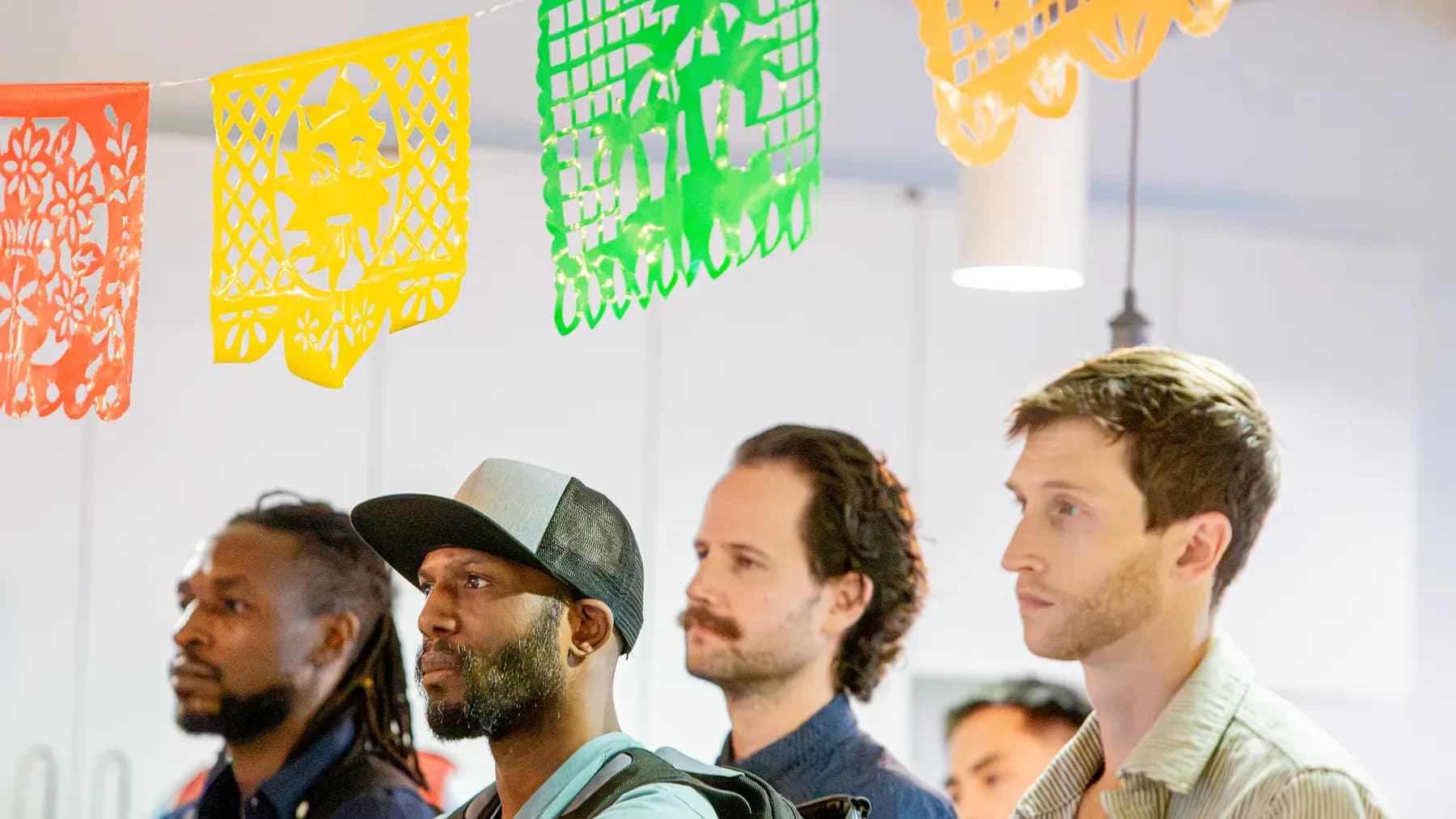
Tuesday night began with five community organizations, a room full of builders, and a simple agreement: the people closest to a problem should help shape what gets built.
At Antler's Austin space, organizations shared work rooted in real communities—from digital access and animal rescue to belonging, public space, and neighborhood connection. The room listened closely. Then people stayed to ask better questions.
These photographs capture the part a project brief cannot: the attention in the room, the small circles that formed afterward, and the moment a need stopped belonging to one organization and became something a community could carry together.
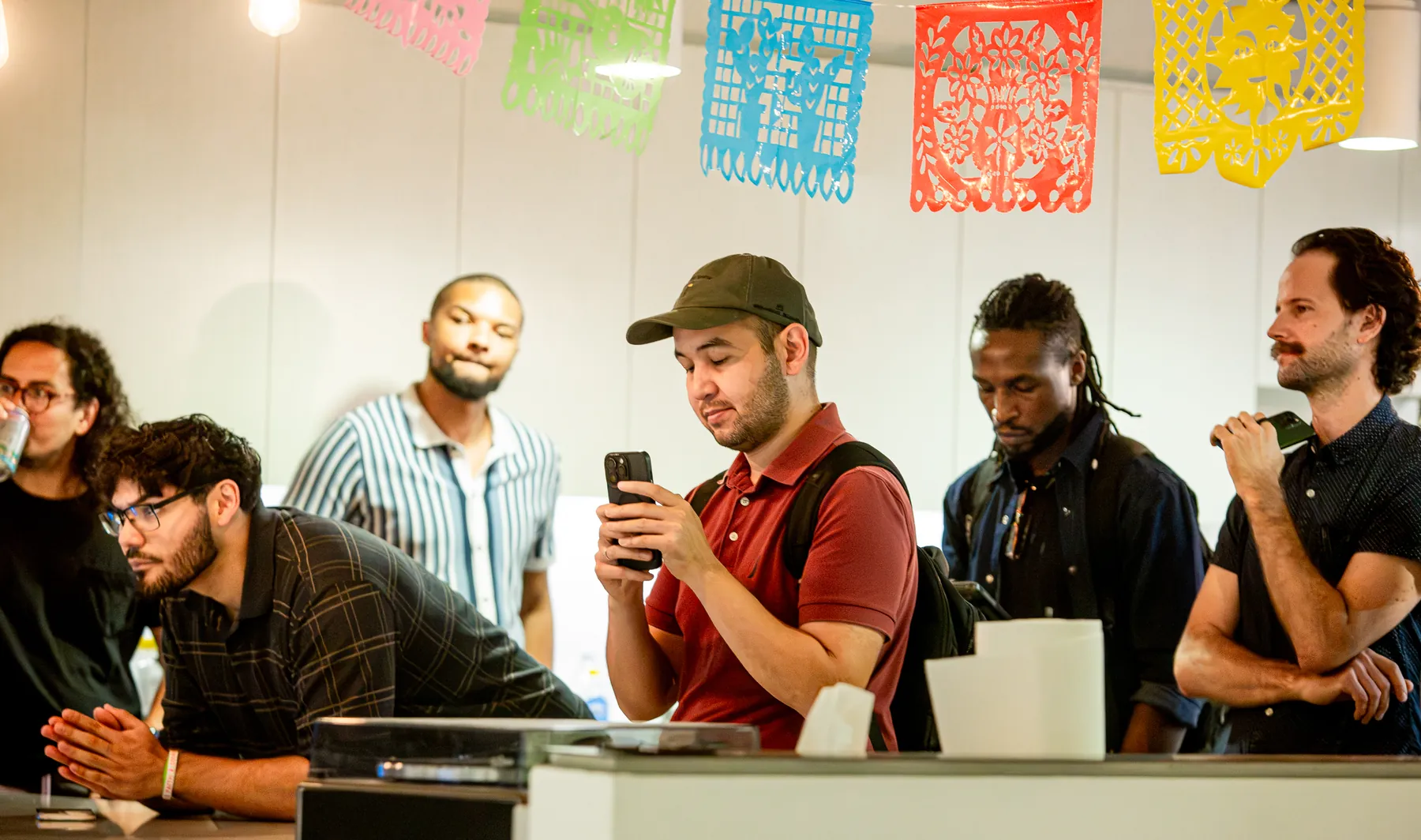
The asks were specific
Each organization arrived with something more useful than a hypothetical pitch: a real constraint, a real community, and a clear place where volunteers could help.
The point was not to perform certainty. It was to describe the need honestly enough that the right people could recognize themselves in the work.
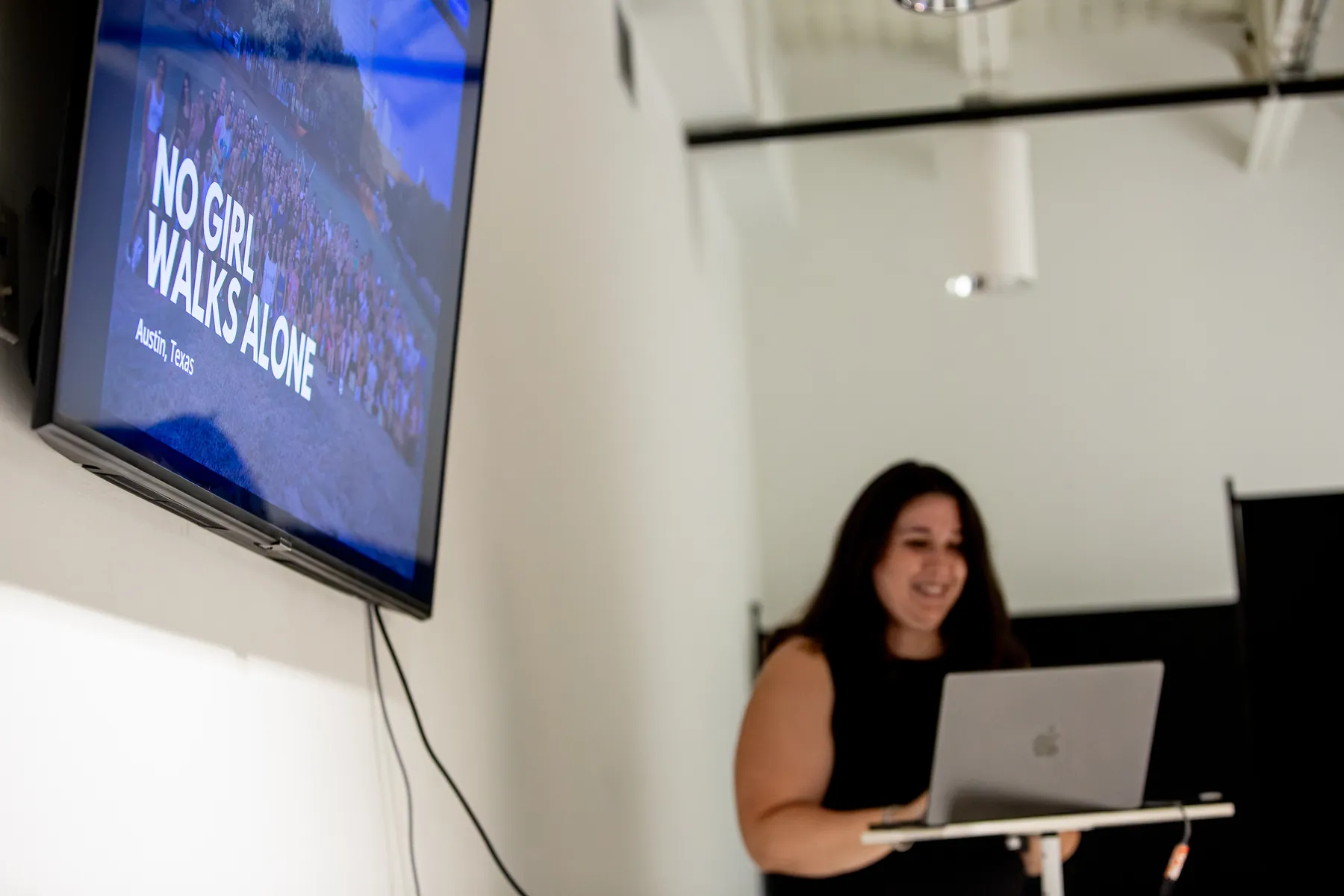
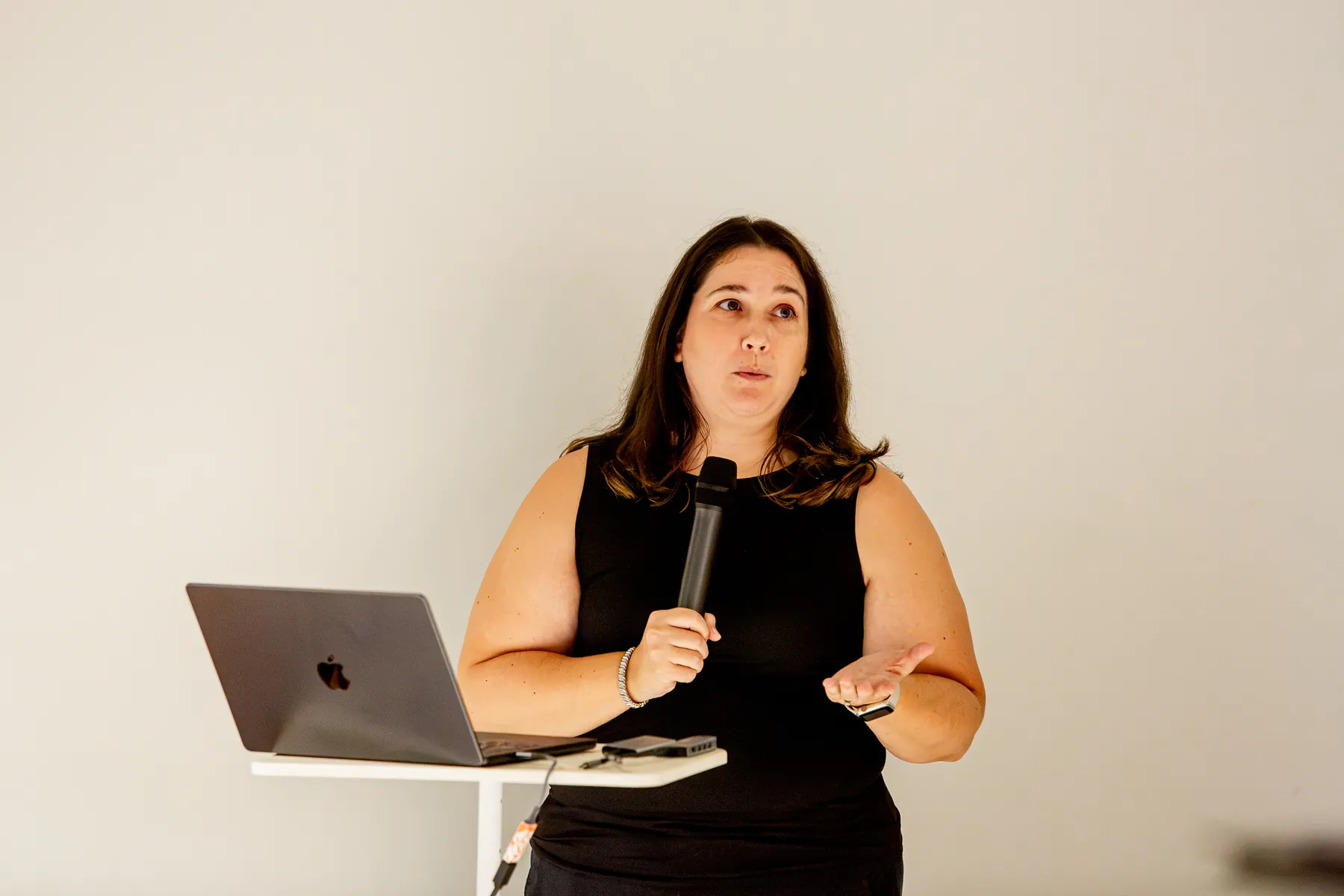
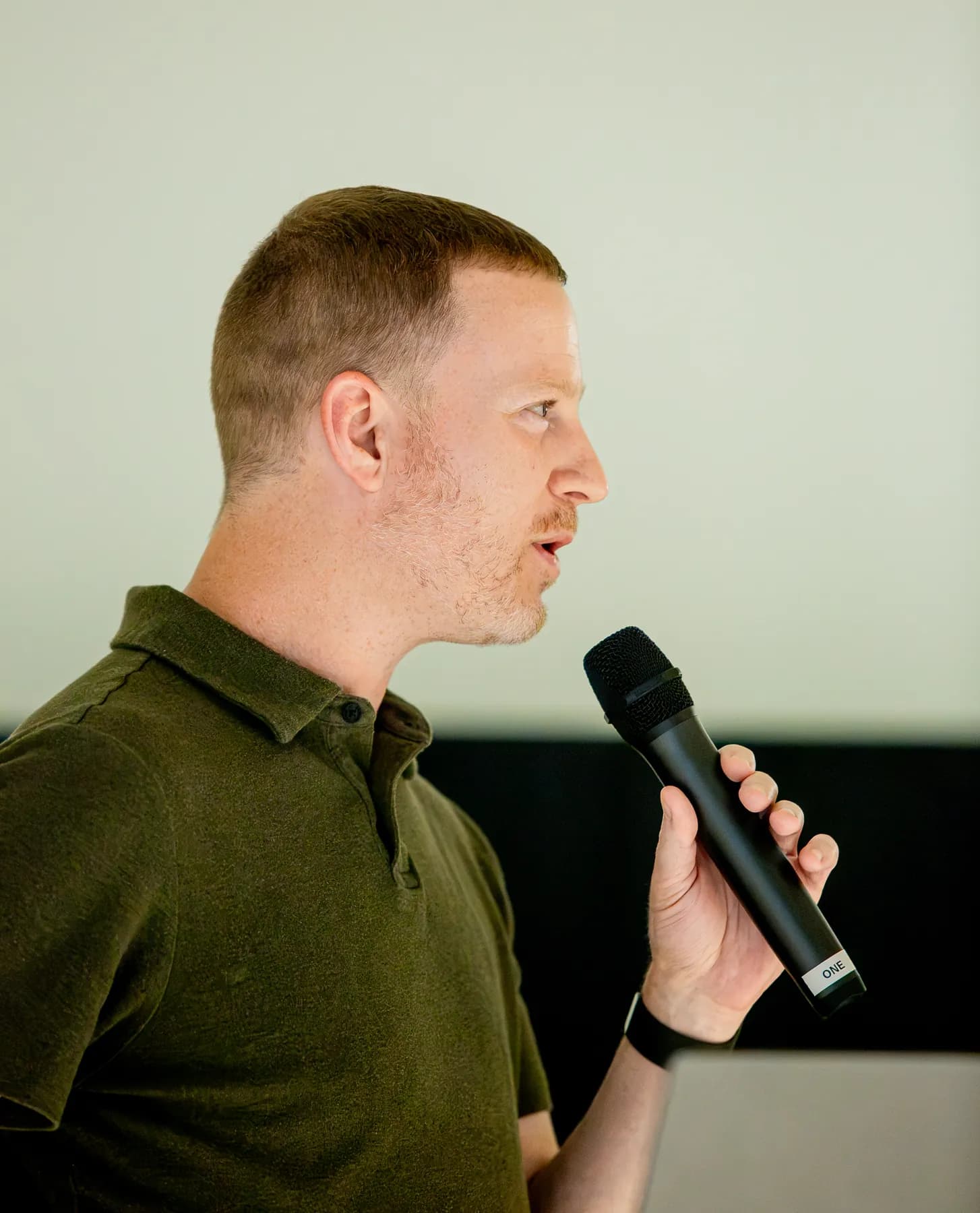
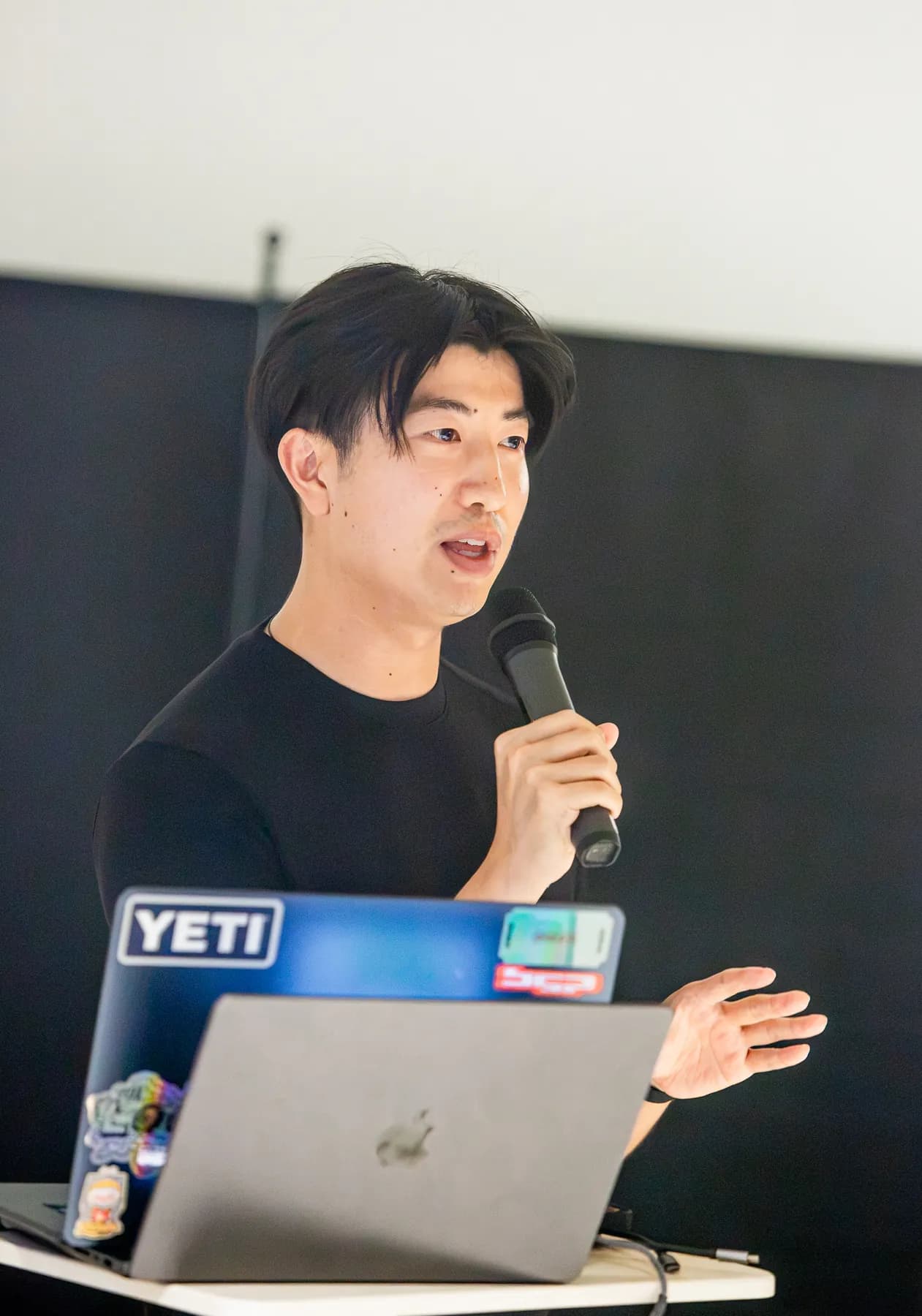
No one needed to arrive with every answer. The invitation was to bring a useful skill, stay curious, and let the organization closest to the problem lead.
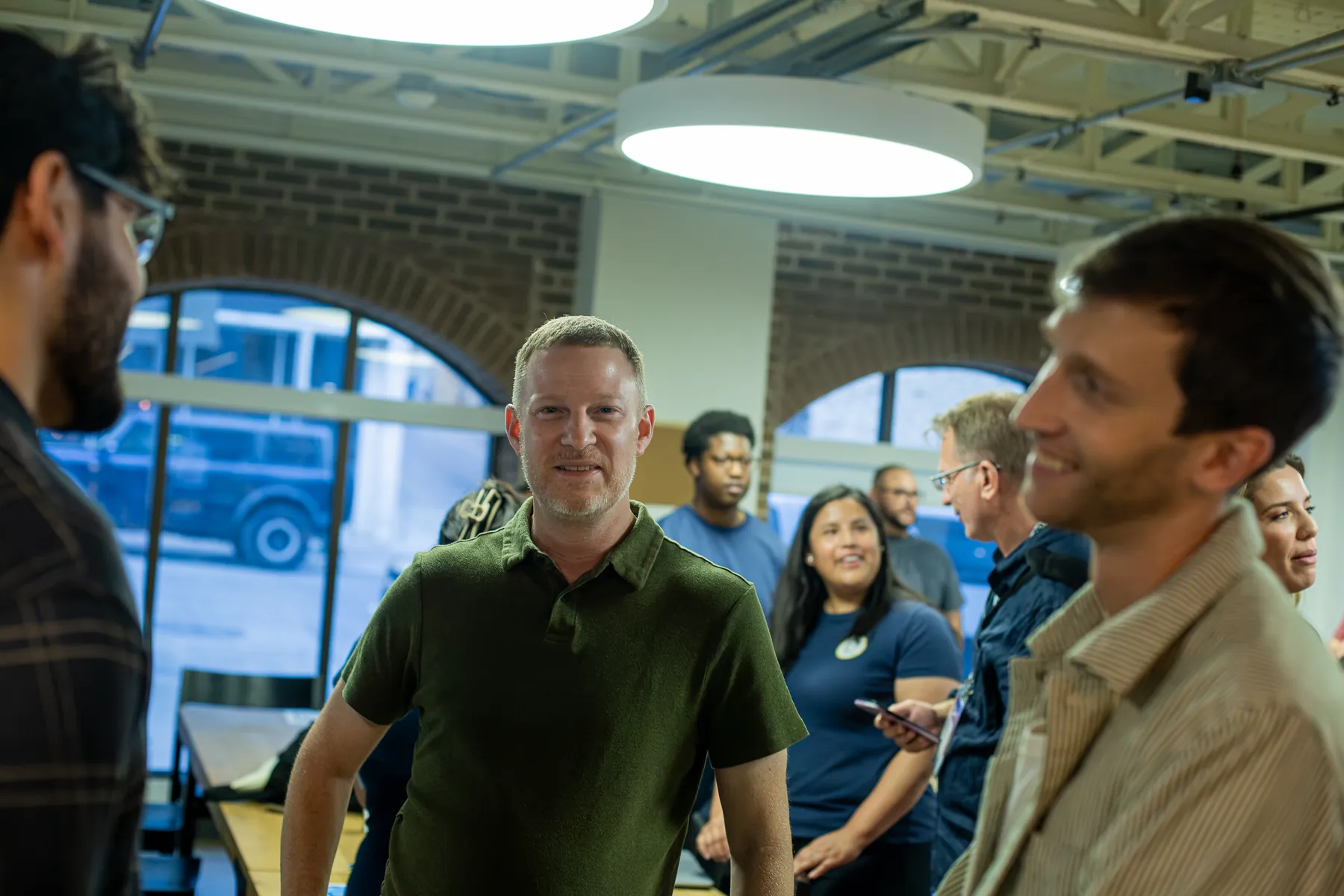
Then the room became the workshop
Once the slides ended, the room rearranged itself. People compared notes, passed phones back and forth, opened laptops, and found the conversations they wanted to keep having.
That shift matters. Community technology does not begin with a repository or a roadmap. It begins when someone describes a need plainly and someone else says, I can help with part of that.
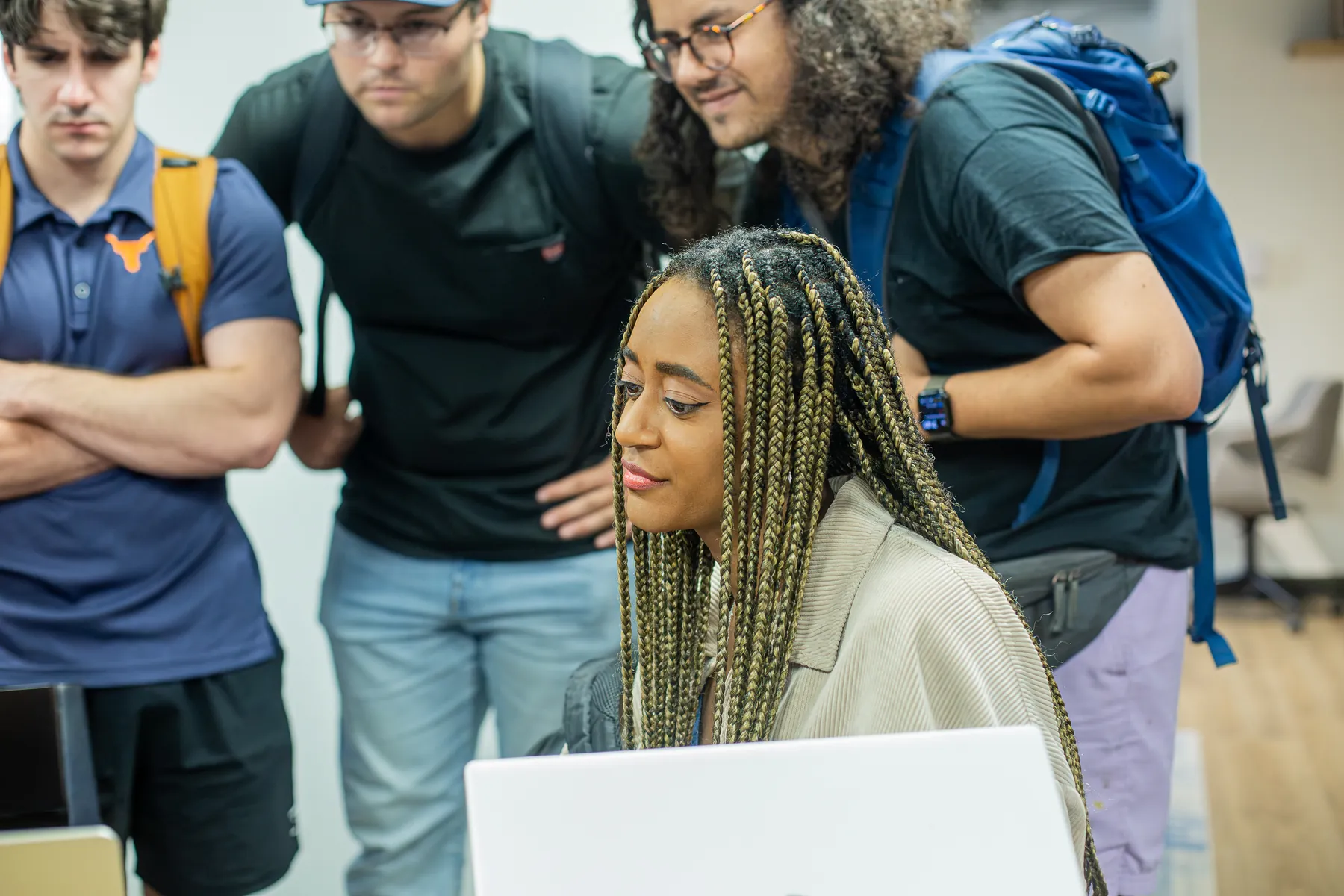
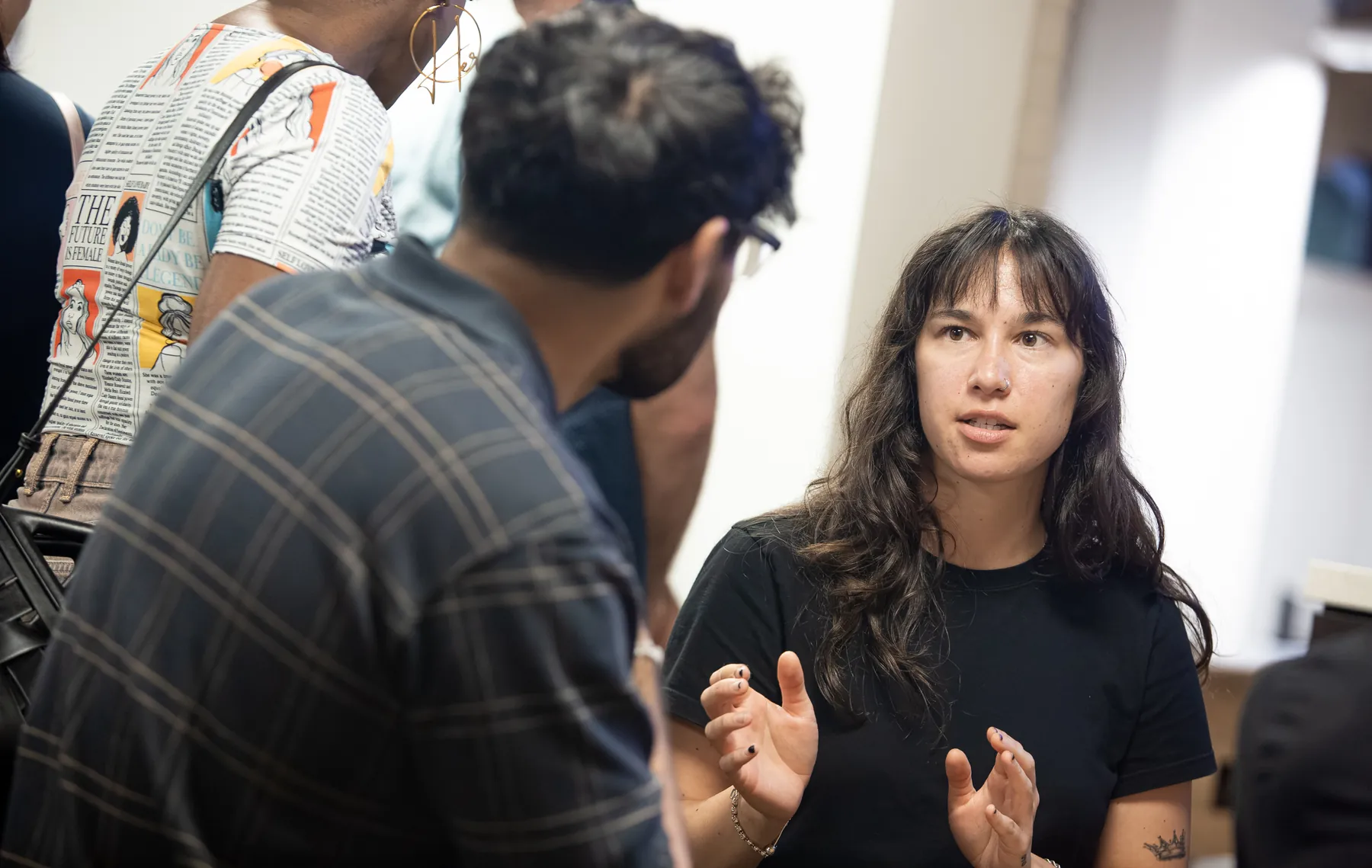
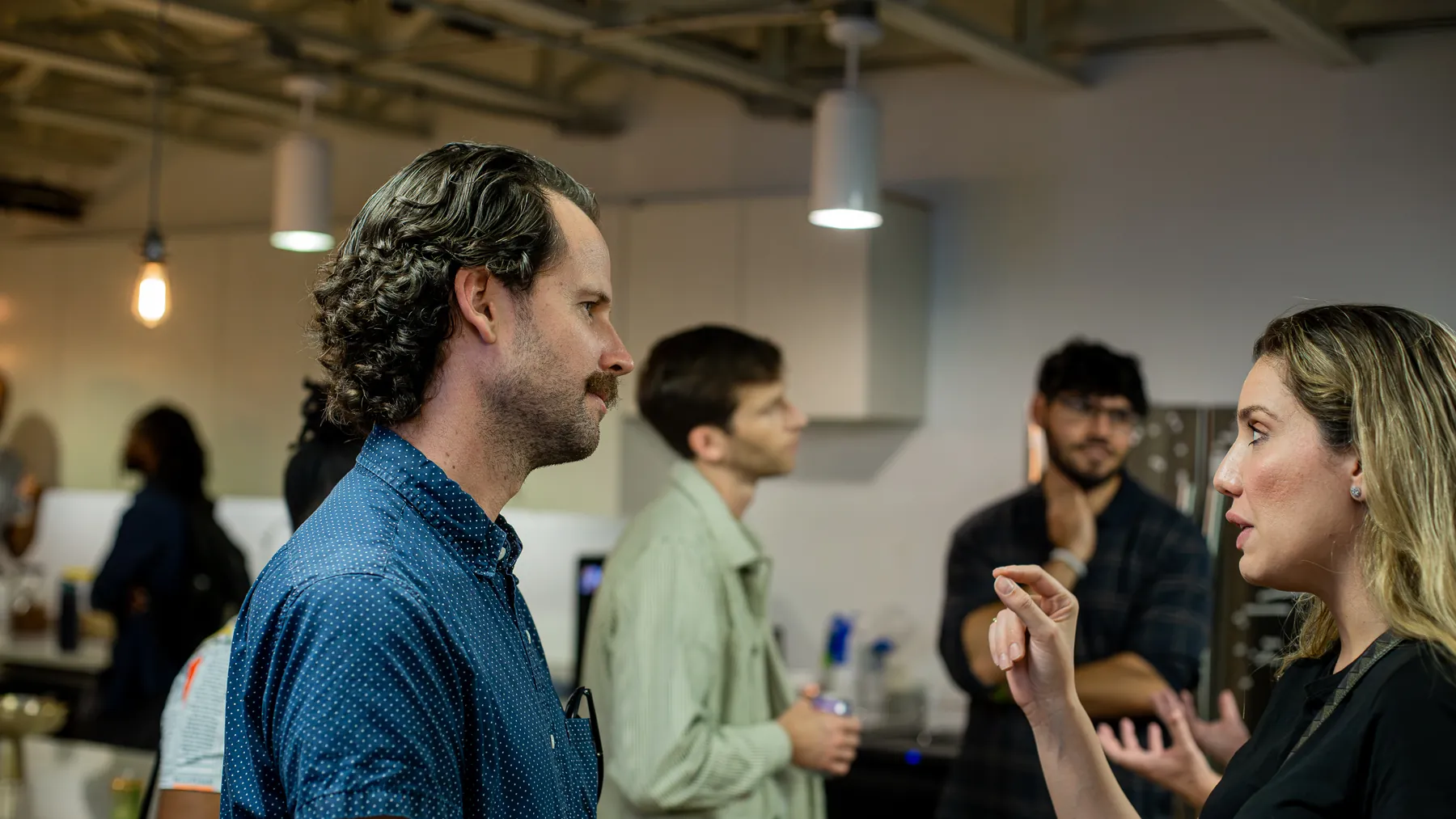
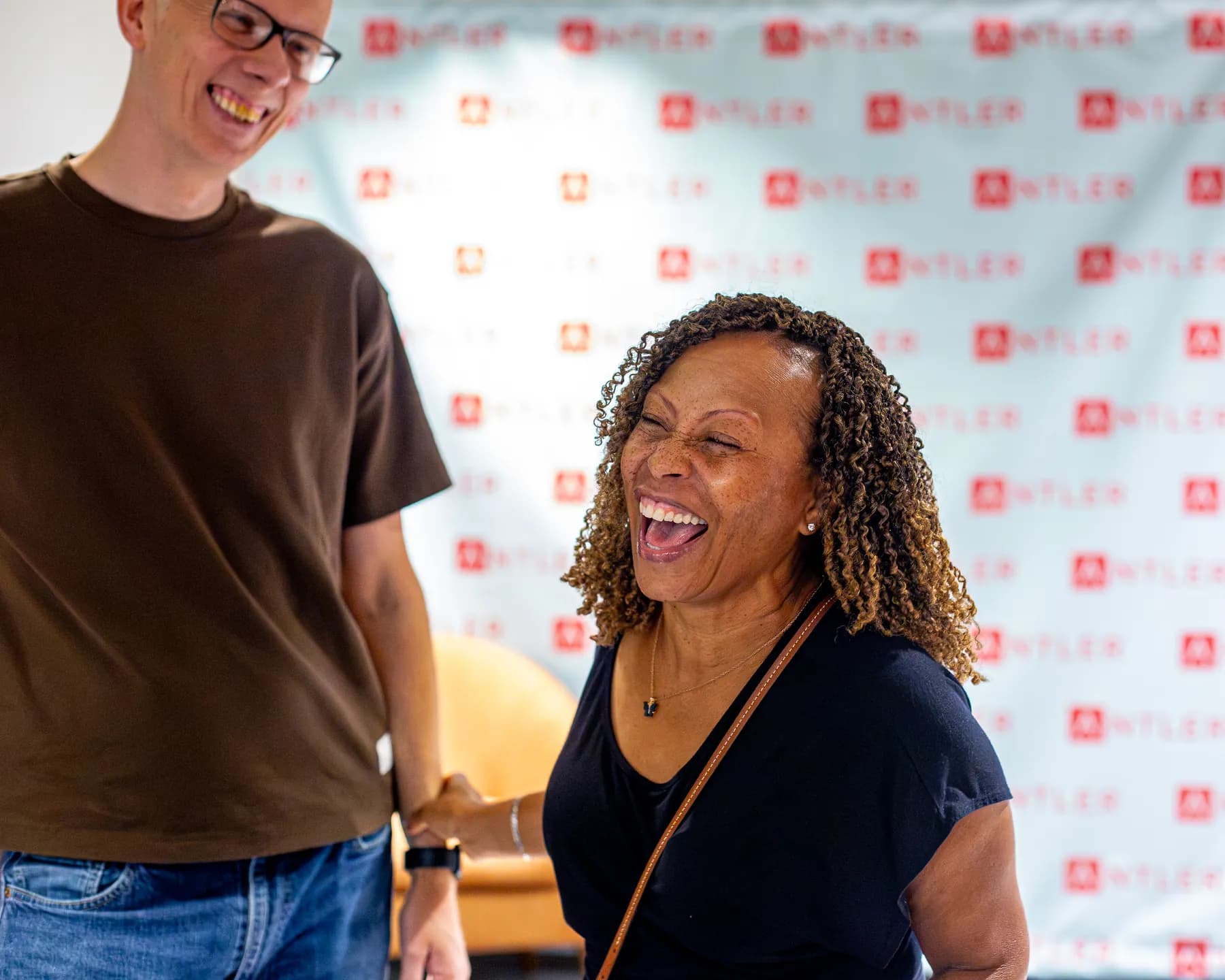
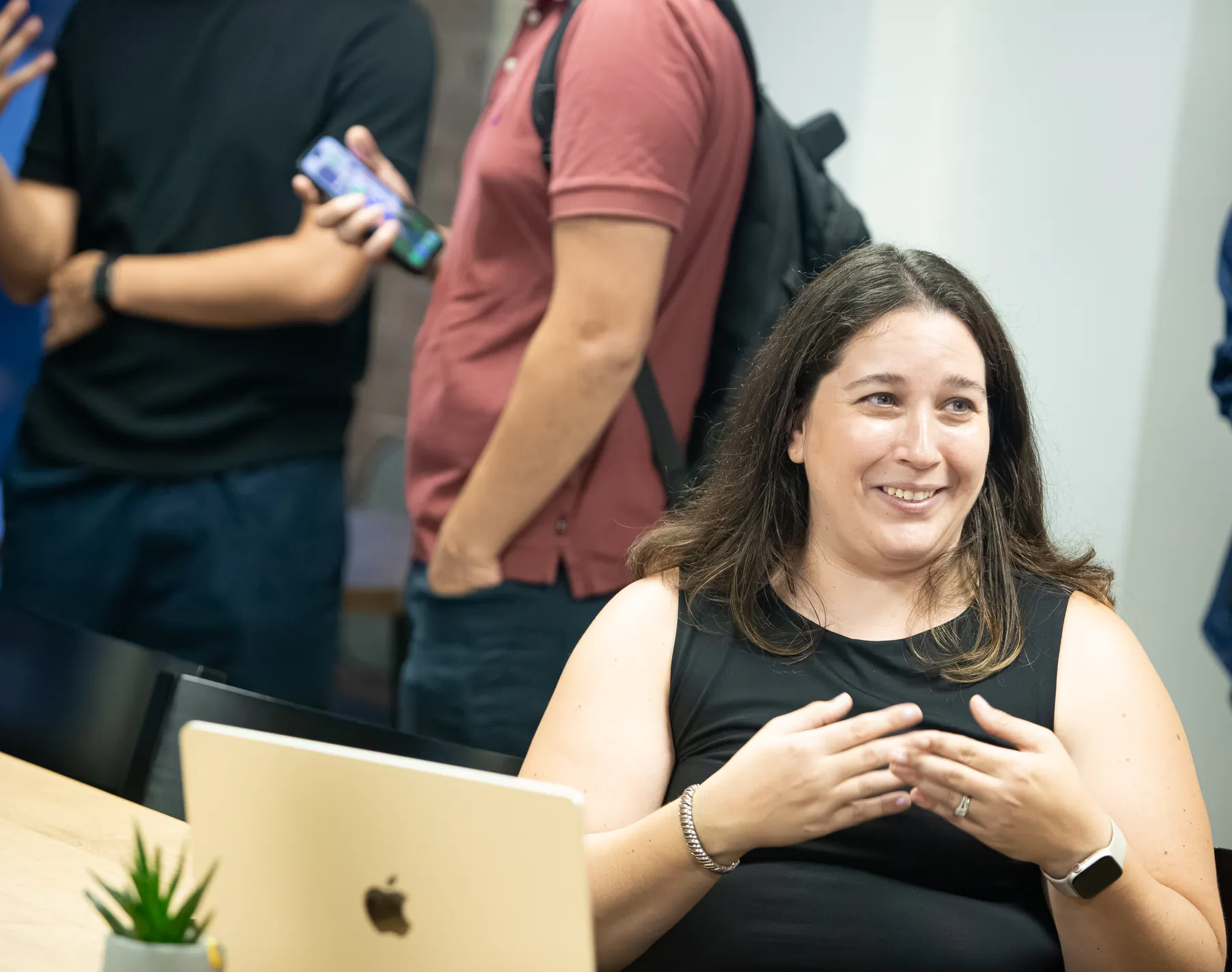
This is what the beginning looks like
The most promising thing about Tuesday was not any single idea. It was the willingness in the room: organizations trusting people with unfinished work, and volunteers taking that trust seriously.
There is plenty left to define, design, test, and build. That is exactly the point. The evening was not a finish line. It was a beginning—with more people now carrying the work forward.
Thank you to every organization that trusted the room with a real need, every person who showed up ready to listen, and Antler for welcoming Austin's first Code for Community meetup.
One room, one hundred moments.
Open any photograph for a closer look, or expand the gallery to see the complete event.